



























Introduction
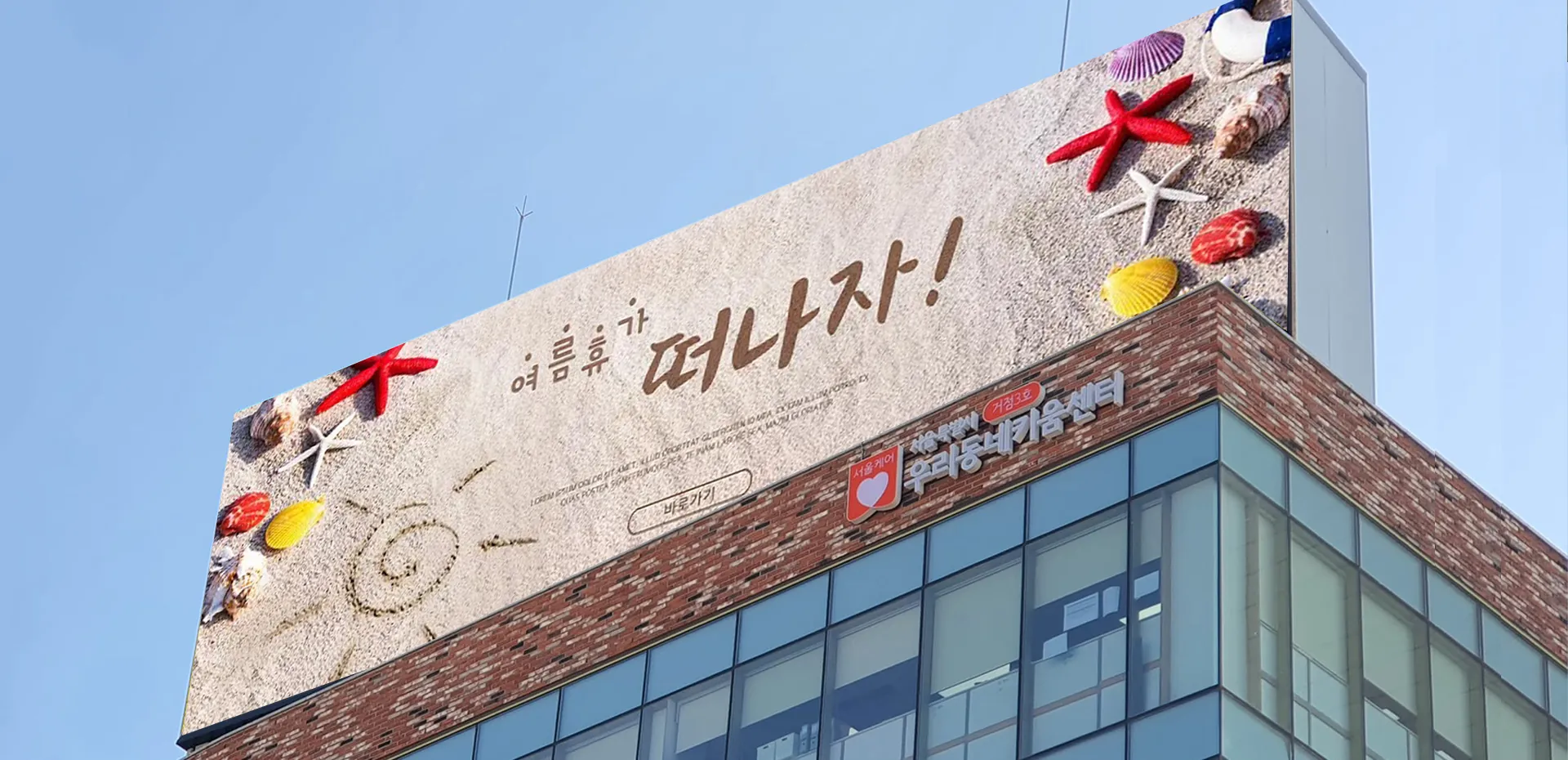
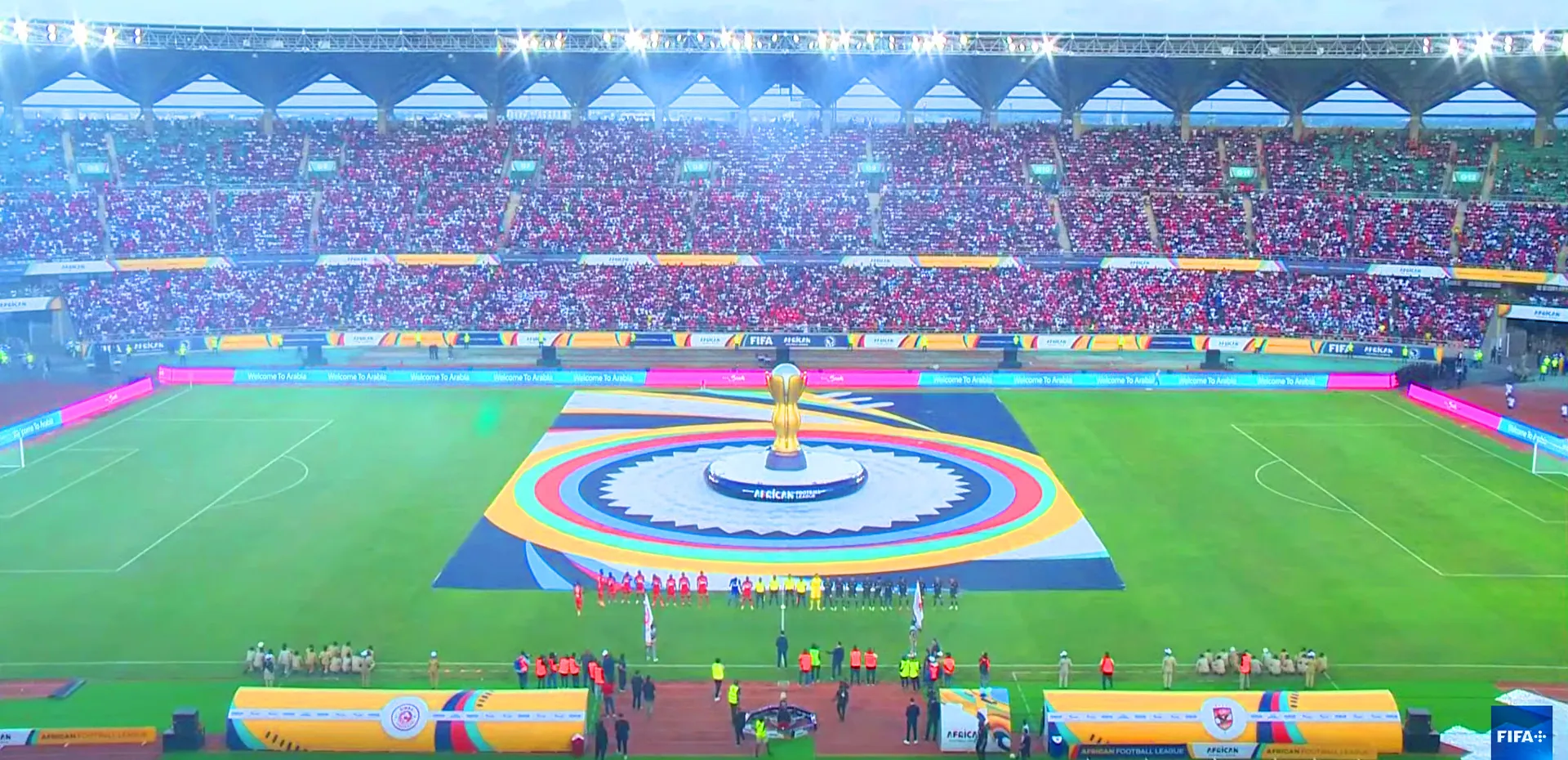
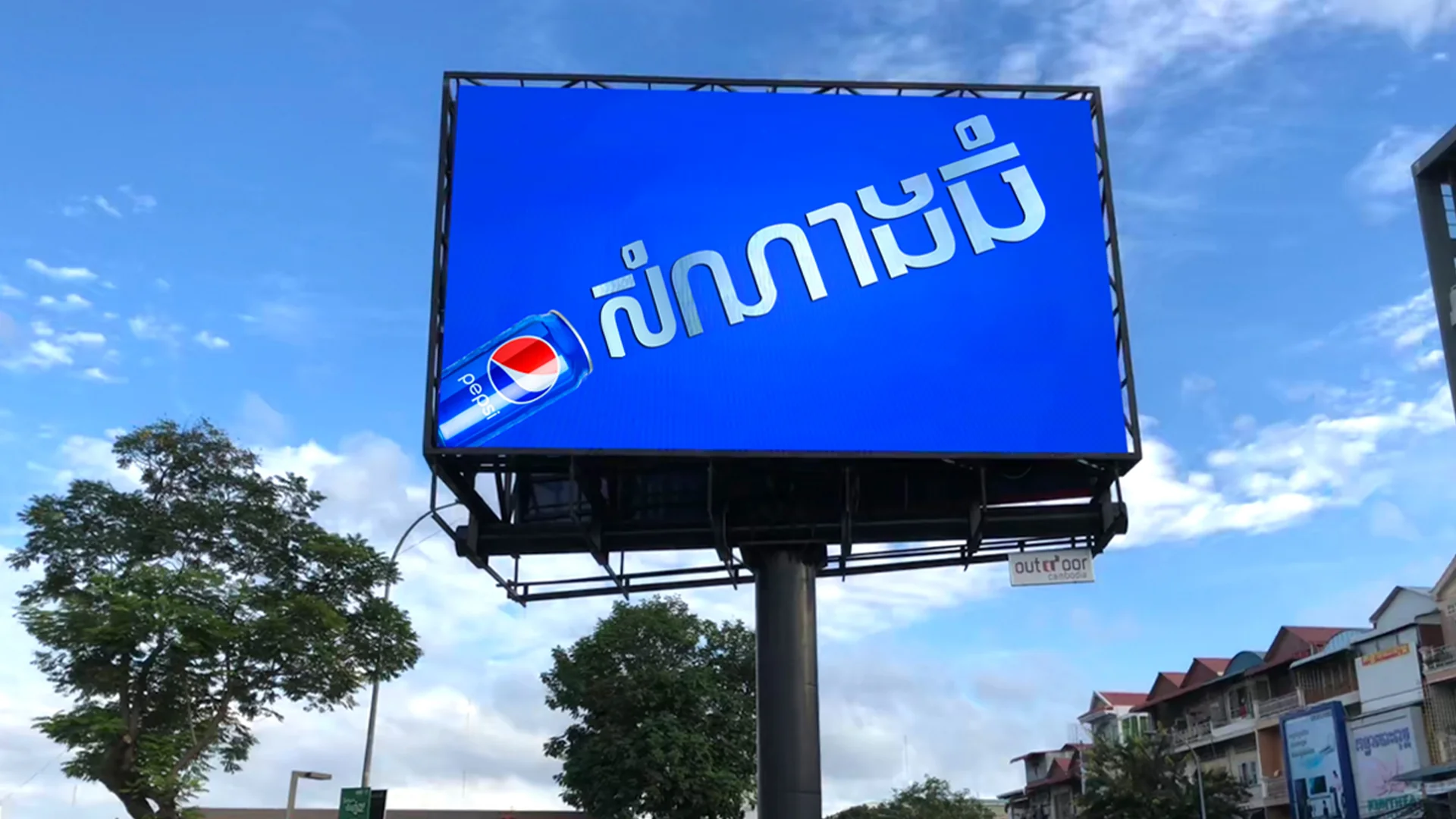
Outdoor LED screens are widely used in advertising, transportation hubs, stadiums, commercial buildings, and public spaces. Unlike indoor LED displays, outdoor screens must operate under constantly changing environmental conditions, including rain, dust, sunlight, humidity, and temperature fluctuations.
For this reason, protection performance is one of the most important factors when selecting an outdoor LED display.
A professional outdoor LED screen is not only required to provide high brightness and excellent image quality but also needs reliable protection against environmental factors.
This is where the IP rating becomes critical.
The IP protection rating helps users understand how well an LED display can resist dust and water intrusion. Among outdoor LED solutions, an IP66 outdoor LED screen provides a higher level of protection and reliability, making it suitable for demanding outdoor applications.
This guide explains what IP ratings mean, why IP66 matters, and how to choose the right protection level for outdoor LED screens.
What Is an IP Rating?
Understanding Ingress Protection Rating
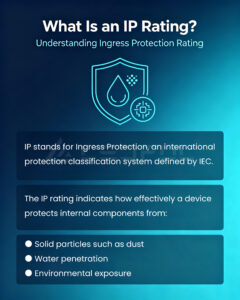
IP stands for Ingress Protection, an international protection classification system defined by IEC (International Electrotechnical Commission).
The IP rating indicates how effectively a device protects internal components from:
- Solid particles such as dust
- Water penetration
- Environmental exposure
The rating format is:
IP + First Number + Second Number
Example:
IP66
- The first number (6) represents dust protection
- The second number (6) represents water protection
The higher the number, the stronger the protection capability.
Understanding IP Rating Numbers
First Digit: Protection Against Solid Objects
| First Digit | Protection Level | Description |
| 0 | No protection | No special protection |
| 1-4 | Basic protection | Protection against larger objects |
| 5 | Dust protected | Limited dust penetration allowed |
| 6 | Dust tight | Complete protection against dust |
For outdoor LED displays, a rating of 6 is highly recommended because dust particles can affect:
- LED modules
- Power supplies
- Control systems
- Internal electronic components
Second Digit: Protection Against Water
| Second Digit | Protection Level | Description |
| 0 | No protection | No water protection |
| 3 | Water spray protection | Limited water resistance |
| 5 | Water jet protection | Protection against low-pressure water jets |
| 6 | Strong water jet protection | Protection against powerful water jets |
| 7-8 | Immersion protection | Protection against temporary or continuous immersion |
For outdoor LED screens, IP65 and IP66 are the most common protection levels.
Why IP66 Matters for Outdoor LED Screens
1. Complete Dust Protection
The first “6” in IP66 means the LED display is completely dust-tight.
This is important because outdoor environments contain:
- Dust
- Sand
- Pollution particles
- Industrial contaminants
Without proper protection, dust accumulation can cause:
- Reduced heat dissipation
- Component aging
- Electrical failures
- Shortened lifespan
An IP66-rated LED screen helps maintain stable performance even in harsh environments.
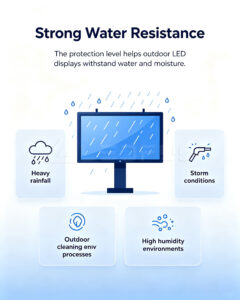
2. Strong Water Resistance
The second “6” means the screen can withstand powerful water jets from different directions.
This protection helps outdoor LED displays handle:
- Heavy rainfall
- Storm conditions
- Outdoor cleaning processes
- High humidity environments
For outdoor advertising screens installed in open areas, waterproof performance directly affects reliability.
IP65 vs IP66 Outdoor LED Display Comparison
Choosing between IP65 and IP66 depends on the installation environment.
| Feature | IP65 Outdoor LED Screen | IP66 Outdoor LED Screen |
| Dust Protection | Complete dust protection | Complete dust protection |
| Water Protection | Protection against water jets | Stronger water jet protection |
| Weather Resistance | Good | Excellent |
| Heavy Rain Performance | Suitable | Better |
| Harsh Outdoor Environment | Medium | High |
| Coastal / Industrial Areas | Limited | Recommended |
| Long-Term Outdoor Reliability | Good | Excellent |
Which One Should You Choose?
For general outdoor applications, IP65 may meet basic requirements.
However, for projects requiring higher reliability, such as:
- Coastal cities
- Areas with heavy rainfall
- Long-term outdoor advertising
- Stadium installations
an IP66 outdoor LED screen provides better protection and long-term value.
Why Outdoor LED Screens Need High IP Protection
Protect Internal Electronic Components
Outdoor LED displays contain many sensitive components:
- LED modules
- Receiving cards
- Power supplies
- Control systems
Water and dust infiltration may cause serious damage.
A higher IP rating reduces environmental risks and improves system stability.
Reduce Maintenance Costs
Poor protection can increase:
- Repair frequency
- Replacement costs
- Downtime
- Labor expenses
A reliable waterproof LED display requires less maintenance over its operating lifetime.
Improve LED Screen Lifespan
Environmental exposure is one of the major factors affecting LED display lifespan.
Proper IP protection helps:
- Prevent moisture damage
- Maintain electrical stability
- Protect internal components
This allows outdoor LED screens to maintain performance for longer periods.
Key Features of a High-Quality IP66 Outdoor LED Screen
| Feature | Benefits |
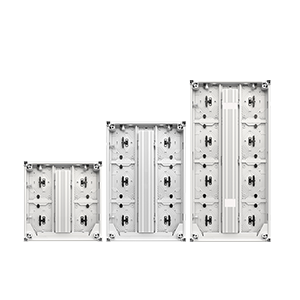
| Fully Sealed Cabinet Design | Prevents water and dust penetration |
| Waterproof LED Module | Protects LED components |
| Anti-Corrosion Materials | Suitable for outdoor environments |
| High Brightness LEDs | Clear visibility under sunlight |
| Efficient Heat Management | Maintains stable operation |
| Reliable Power Protection | Improves system safety |
IP Rating Selection Guide for Different Applications
Different outdoor environments require different protection levels.
| Application | Recommended Protection Level |
| Indoor LED Display | IP30-IP40 |
| Semi-Outdoor LED Screen | IP54-IP65 |
| Outdoor Advertising LED Screen | IP65-IP66 |
| Stadium LED Display | IP65-IP66 |
| Coastal / High Humidity Area | IP66 or Higher |
| Extreme Weather Environment | Customized Protection |
Additional Factors to Consider for Outdoor LED Screens
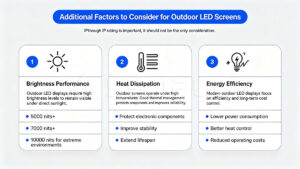
Although IP rating is important, it should not be the only consideration.
Brightness Performance
Outdoor LED displays require high brightness levels to remain visible under direct sunlight.
Common requirements:
- 5000 nits+
- 7000 nits+
- 10000 nits for extreme environments
Heat Dissipation
Outdoor screens operate under high temperatures.
Good thermal management helps:
- Protect electronic components
- Improve stability
- Extend lifespan
Energy Efficiency
Modern outdoor LED displays focus on:
- Lower power consumption
- Better heat control
- Reduced operating costs
Outdoor LED Screen Maintenance Tips
Even with IP66 protection, regular maintenance is recommended.
Regular Cabinet Inspection
Check:
- Cabinet sealing condition
- Connection points
- Power system
Clean Surface Regularly
Remove:
- Dust
- Dirt
- Environmental residue
This improves brightness performance.
Monitor Operating Conditions
Track:
- Temperature
- Brightness
- System performance
Early detection helps prevent unexpected failures.
How LEDFUL Outdoor LED Displays Achieve Reliable Protection
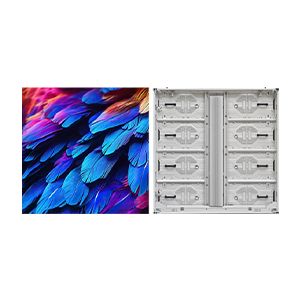
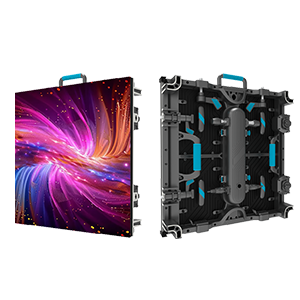
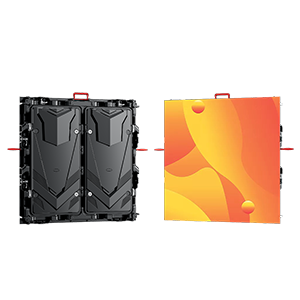
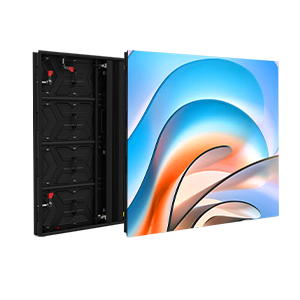
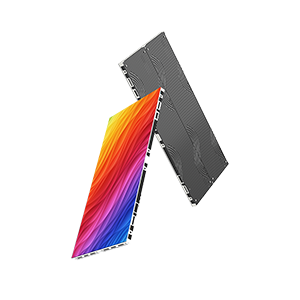
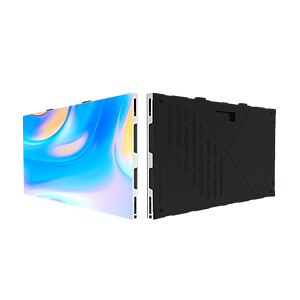
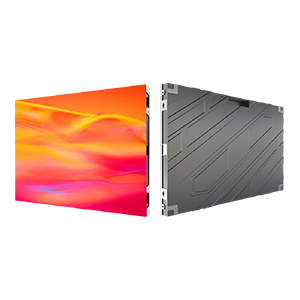
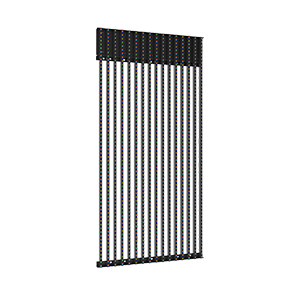
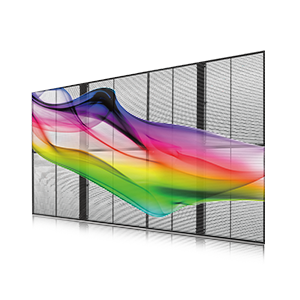
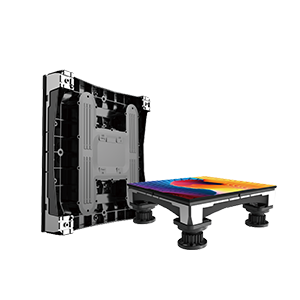
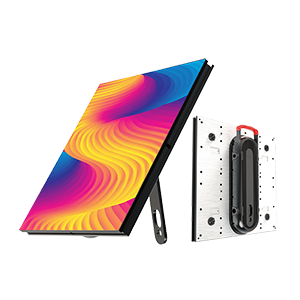
LEDFUL outdoor LED display solutions are designed for challenging environments where reliability and performance are essential. https://www.ledful.com/product/sk-series
Key advantages include:
- High brightness visibility
- Weather-resistant design
- Stable outdoor operation
- Energy-efficient technology
- Long-term durability
LEDFUL outdoor LED screens are suitable for:
- Digital billboards
- Commercial advertising
- Stadium displays
- Transportation signage
- Public information displays
By combining advanced LED technology with reliable protection design, LEDFUL helps customers achieve stable visual performance in different outdoor environments.
Frequently Asked Questions (FAQ)
1. What does IP66 mean for an LED screen?
IP66 means the LED screen is completely protected against dust and can withstand powerful water jets from different directions, making it suitable for demanding outdoor environments.
2. Is IP66 better than IP65?
Yes. Both provide complete dust protection, but IP66 offers stronger water resistance and is better suited for harsh weather conditions.
3. Are outdoor LED screens waterproof?
Professional outdoor LED screens are designed with waterproof structures and protection ratings such as IP65 or IP66 to resist rain and moisture.
4. What IP rating is best for outdoor LED displays?
For most outdoor advertising and commercial applications, IP65 or IP66 is recommended. IP66 is preferred for areas with harsh weather conditions.
5. Why is IP rating important for LED screens?
IP rating protects LED screens from dust and water damage, improving reliability, reducing maintenance costs, and extending product lifespan.
6. Can IP66 LED screens work in heavy rain?
Yes. IP66 outdoor LED screens are designed to withstand strong water jets and provide reliable operation in rainy environments.
7. How long do outdoor LED displays last?
High-quality outdoor LED displays can typically operate for more than 100,000 hours when properly installed and maintained.
8. What factors affect outdoor LED screen durability?
Major factors include:
- IP protection level
- Brightness
- Heat management
- Material quality
- Installation environment
- Maintenance
Conclusion
For outdoor LED display projects, protection capability is just as important as image quality and brightness.
Understanding IP ratings helps customers select the right LED solution for different environments. While IP65 provides reliable protection for many applications, an IP66 outdoor LED screen offers enhanced durability and stronger resistance against harsh weather conditions.
From digital billboards and stadium displays to outdoor advertising networks, choosing a properly protected LED display helps reduce maintenance costs, improve reliability, and maximize long-term investment value.
With professional outdoor LED display technology and customized solutions, LEDFUL supports global customers in building durable, high-performance visual communication systems for challenging outdoor environments.