







































Introduction
When buyers evaluate an LED display, they usually look at pixel pitch, brightness, refresh rate and cabinet design. All of these matter, but they all depend on one component that is rarely discussed in a quotation: the LED lamp.
The LED lamp is the most important raw material in an LED display. It is the light source itself, and it is the smallest and most numerous component in the entire screen. A single indoor cabinet can contain hundreds of thousands of lamps, and every one of them has to perform identically for years. When the LED lamp quality is better, the LED screen quality is better. There is no way around this relationship, and no amount of cabinet engineering can compensate for a weak lamp.
This article explains the three quality levels of LED lamps currently available on the market, the technical reasons behind the price difference, and how professional display manufacturers decide which lamp to use for which project.

1. Why the LED Lamp Is the Most Important Raw Material in an LED Display
1.1 The lamp defines the image
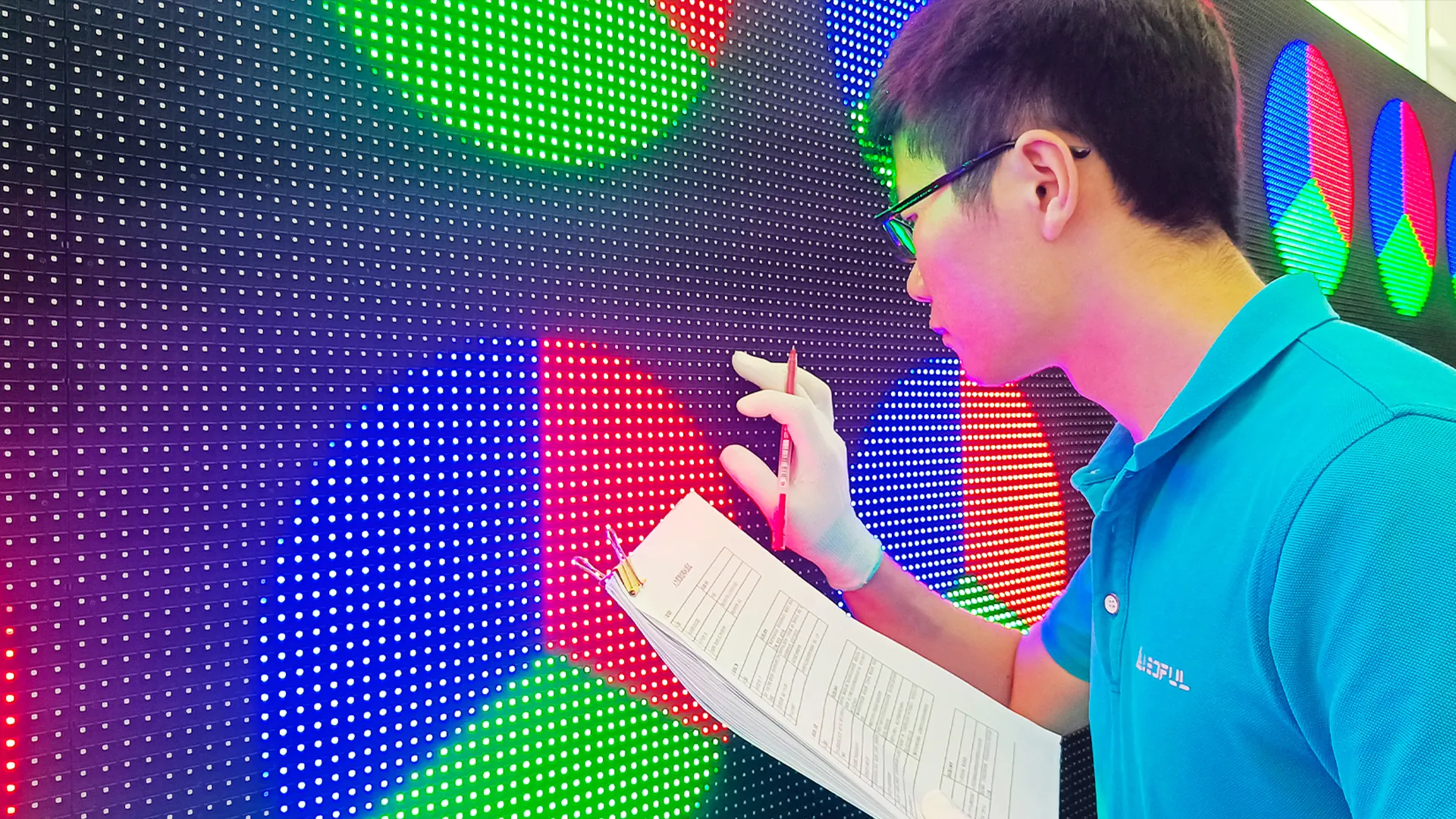
Every pixel you see on an LED screen is produced by LED lamps. Color accuracy, grayscale smoothness, viewing angle and uniformity are physical properties of the lamp, not of the control system. A good control card can only send the right signal; the lamp decides what the audience actually sees.
1.2 The lamp defines the lifetime
The advertised lifetime of an LED display is essentially the lifetime of its lamps. Brightness decay, color shift and dead pixels all originate at the lamp level. Once a lamp begins to degrade, no maintenance programme can restore it.
1.3 The lamp defines the failure rate
Dead pixel rate is the most visible quality indicator for end users. It is directly connected to the bonding quality inside the lamp: the wire material, the bond strength and the consistency of the 封装 process. This is exactly where the three market levels differ.
1.4 The lamp defines the total cost
A cheap lamp lowers the purchase price but raises the cost of ownership through higher failure rates, more spare parts, more service visits and shorter replacement cycles. For rental companies and fixed installations alike, the lamp is a long-term cost decision, not a short-term saving.

2. The Three Quality Levels of LED Lamps on the Market
The LED lamp market is clearly divided into three levels. Understanding this structure is the fastest way to judge a display quotation.
2.1 Level 1 — Best Quality: Nationstar Gold Wire LED Lamps
Nationstar gold wire LED lamps are the best quality available in the market. Gold wire is used for the internal bonding, which gives the most reliable connection, the lowest contact resistance and the strongest resistance to thermal stress and corrosion.
The trade-off is price. Gold wire lamps are extremely expensive, and the cost is high enough that they are almost never used in standard LED display projects. In practice, they are reserved for a small number of government projects and similar applications where the budget allows the absolute highest reliability and where the specification itself may require a premium lamp.
Typical position: premium, project-specific, not a volume solution.
2.2 Level 2 — Great Quality: Nationstar Copper Wire and Kinglight LED Lamps
This is the level where most professionally built LED displays actually live, and it contains two well-known options.
Nationstar copper wire LED lamps use copper wire bonding instead of gold wire. They are a little better than Kinglight lamps in overall performance, and they sit just below the gold wire level in both quality and price.
Kinglight LED lamps are the most popular lamps in the market. They combine mature, stable process control with a cost structure that makes large projects feasible. This is the lamp used in our own production.
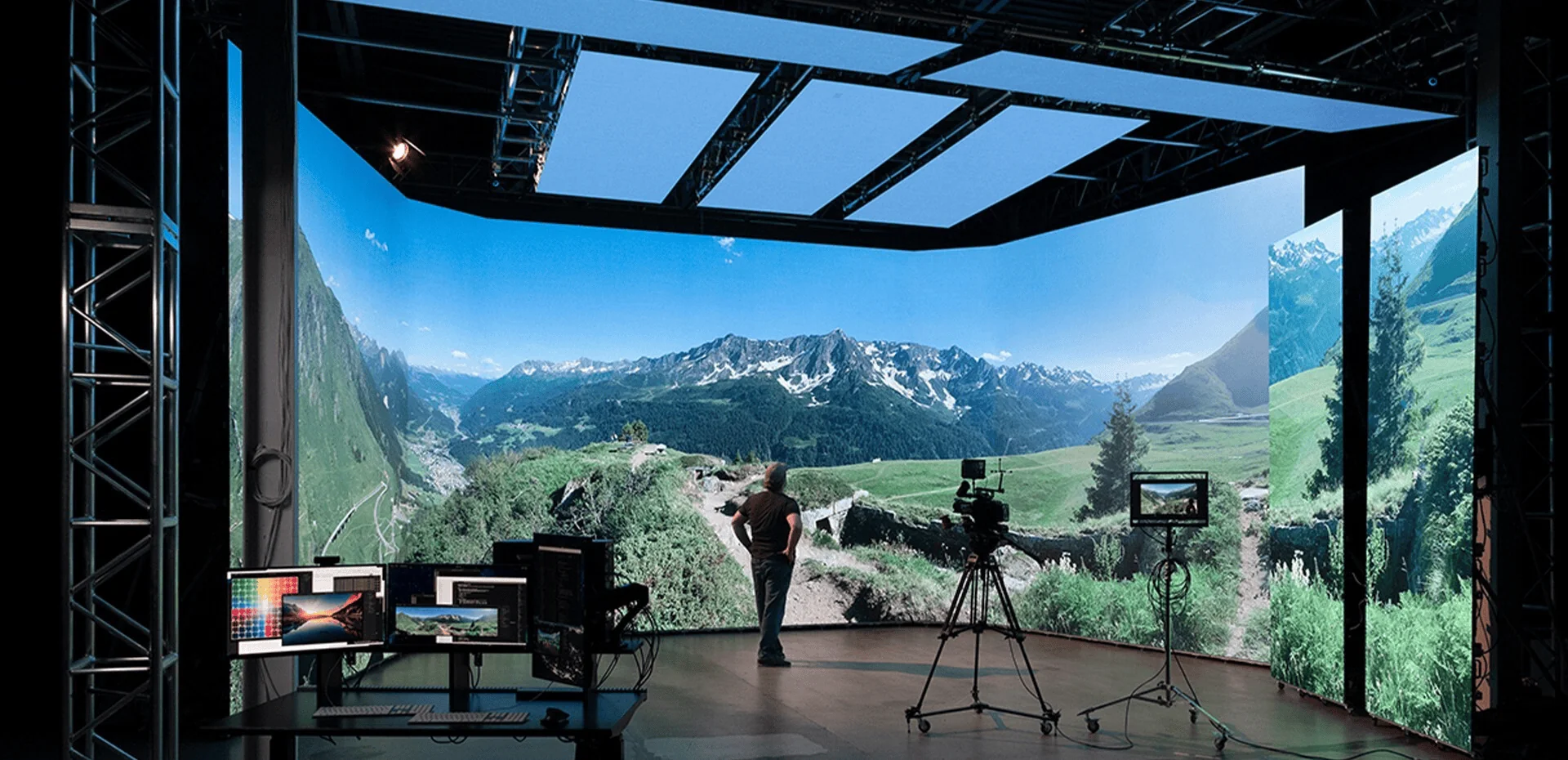
The quality of this level is genuinely great, not a compromise. We have built a large number of indoor LED screens on Kinglight lamps, and the quality has always been consistently good — stable color, low dead pixel rate and predictable brightness decay. For the vast majority of indoor applications, including control rooms, conference venues, retail spaces, studios and corporate lobbies, this level delivers the reliability that end users expect without pushing the budget into the gold wire range.
Typical position: the standard choice for professional indoor LED displays.
2.3 Level 3 — Normal Quality: Hongsheng, Mulinsen, Huake and Similar Lamps
The third level covers brands such as Hongsheng, Mulinsen and Huake. These lamps deliver normal quality: they meet the basic specification and they can produce a working screen, but they do not reach the consistency and long-term stability of Level 2.
We do not use this level in our production, and the reason is practical rather than commercial. At this level the variation between production batches is wider, the bonding process is less tightly controlled, and the long-term behaviour of the lamp under continuous operation is less predictable. The result is a screen that looks acceptable on the first day and increasingly uneven after two or three years.
Typical position: entry-level price-driven projects with limited service life expectations.

3. Level Comparison at a Glance
表格
| Level | Lamp options | Wire material | Quality | Price position | Typical use |
| Level 1 | Nationstar gold wire | Gold | Best in the market | Extremely high | Government and premium projects only |
| Level 2 | Nationstar copper wire | Copper | Great, slightly above Kinglight | Mid to high | High-end indoor projects |
| Level 2 | Kinglight | Copper | Great, most popular in the market | Balanced | Standard professional indoor LED displays (our choice) |
| Level 3 | Hongsheng, Mulinsen, Huake | Standard | Normal | Low | Entry-level, price-driven projects (not used by us) |
4. How We Choose the Right LED Lamp for a Project
The lamp decision follows the application, not the other way around. Our selection logic is straightforward:
- Start from the application. Indoor fixed installation, rental, control room, studio and outdoor advertising each place different demands on brightness, heat and duty cycle.
- Check the budget ceiling. Gold wire lamps are quoted only when the project explicitly requires the highest available reliability or when the tender specification calls for it.
- Default to Level 2. Kinglight lamps are the standard for our indoor LED screens because they deliver proven, repeatable quality at a workable cost.
- Upgrade to Nationstar copper wire when the client wants a slightly higher grade of lamp and the budget permits it.
- Never downgrade to Level 3 to win a price comparison, because the savings are paid back later in service costs and reputation.
- Verify the lamp in the contract. Brand, wire material and batch consistency should be written into the specification, not left to verbal assurance.
5. What This Means for Buyers
Three practical conclusions follow from the structure above.
- Ask which lamp brand is used. A quotation that does not name the lamp brand is a quotation with an unknown core component.
- Expect a price difference, and understand it. Gold wire, copper wire and standard lamps sit in three different cost bands. A price that is far below the market for a Level 2 specification usually means the lamp has been changed, not the margin.
- Judge quality by the lamp, not by the demo screen. A demo screen is new. The lamp is what determines how the screen behaves in year three.
6. FAQ
Q: Is a gold wire LED lamp always the right choice?
A: No. It is the best quality available, but its cost makes it unsuitable for standard LED display projects. It is used for government projects and other applications where the highest reliability is a hard requirement.
Q: Why do you use Kinglight instead of the cheapest lamps?
A: Because the LED lamp is the most important raw material in the display. Kinglight lamps are the most popular in the market, they deliver great quality, and we have built many indoor LED screens on them with consistently good results.
Q: What is the difference between Nationstar copper wire and Kinglight?
A: Nationstar copper wire lamps are a little better than Kinglight lamps, and they are priced accordingly. Both belong to Level 2, which is the quality level professional indoor displays are normally built on.
Q: Can a Level 3 lamp screen be acceptable?
A: It can work, but the quality is normal and long-term consistency is weaker. We do not use this level, because we would rather protect the reliability of the finished screen.
Conclusion
The LED lamp is not a detail in the bill of materials. It is the component that decides image quality, lifetime, failure rate and total cost of ownership. The market offers three clear levels: Nationstar gold wire at the top, Nationstar copper wire and Kinglight in the professional middle, and brands such as Hongsheng, Mulinsen and Huake at the entry level. Choosing correctly is a matter of matching the level to the project, and of insisting that the lamp brand is stated openly in the specification.