

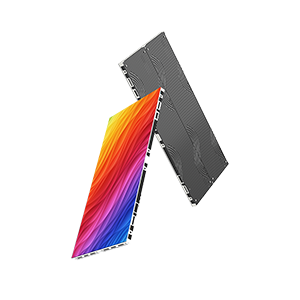

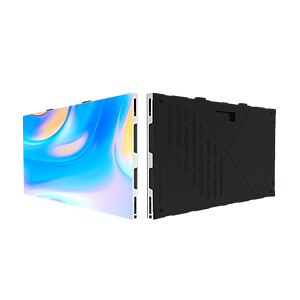
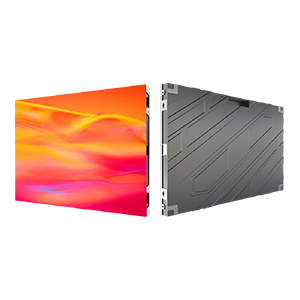

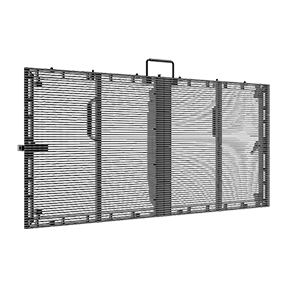



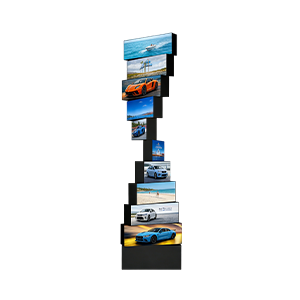
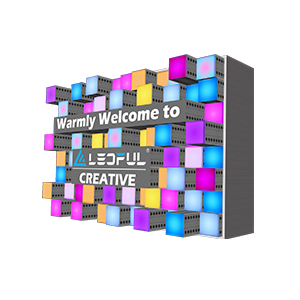
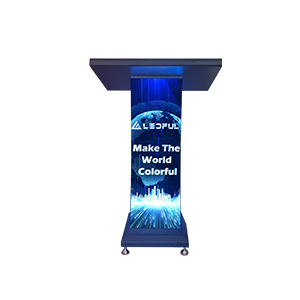
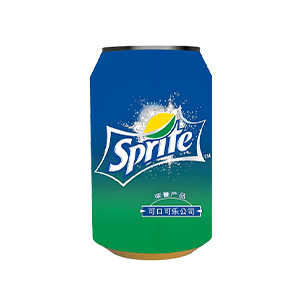







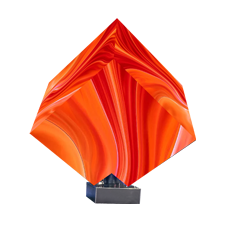
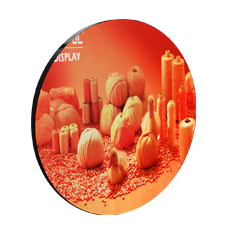
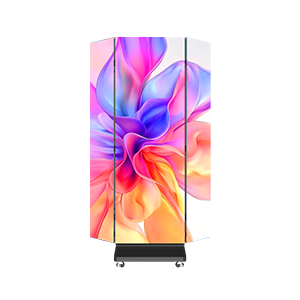















A curved LED video wall often begins with a strong visual idea, but screen area alone is not enough to turn that idea into a buildable design or reliable quotation. Curve geometry, viewing conditions, panel structure, mounting method, content requirements, and total project scope must be considered together. These choices shape the curved LED display design, the complexity of LED video wall installation, and the final LED video wall price. This guide helps you turn an initial concept into a practical, quote-ready project plan.
What Should Be Defined Before Planning a Curved LED Video Wall?
A useful project brief should show where the screen will operate, how it will be used, and what curve it must achieve. Confirm these points before comparing products or requesting prices:
- Environment: Specify indoor or outdoor use, operating hours, and exposure to sunlight, rain, dust, or heat. This sets brightness, protection, cooling, and material needs.
- Project duration: Decide whether the screen is permanent or will be transported and rebuilt. Fixed projects and short-term events usually need different cabinet and support systems.
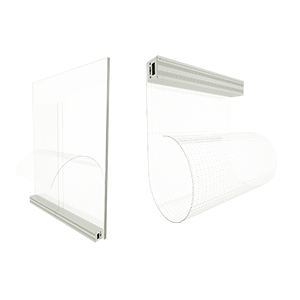
- Curve type and dimensions: Identify a concave, convex, cylindrical, wraparound, or segmented curve. Record the height, footprint, arc length, and radius when known.
- Viewing conditions: Note the closest viewing distance, main sightlines, and whether viewers move around the display. This guides pixel pitch, curve direction, and content placement.
- Mounting and service access: Confirm wall mounting, suspension, or floor support, plus front- or rear-service space. The choice affects framing, cable routes, and maintenance.
- Content purpose: Define advertising, presentations, live visuals, broadcast, or immersive media. This sets the pixel canvas, input requirements, refresh-rate requirements, and synchronization plan.
This brief narrows the options quickly. The next decision is which panel structure can create the curve without making installation or maintenance unnecessarily complex.
Which LED Panel Structure Suits the Required Curve?
Two common approaches are flexible modules mounted on a custom frame and modular rental cabinet systems. The right choice depends on the required curve, whether the screen is permanent or frequently moved, and how technicians will install and service it.
Flexible Modules on a Custom Frame
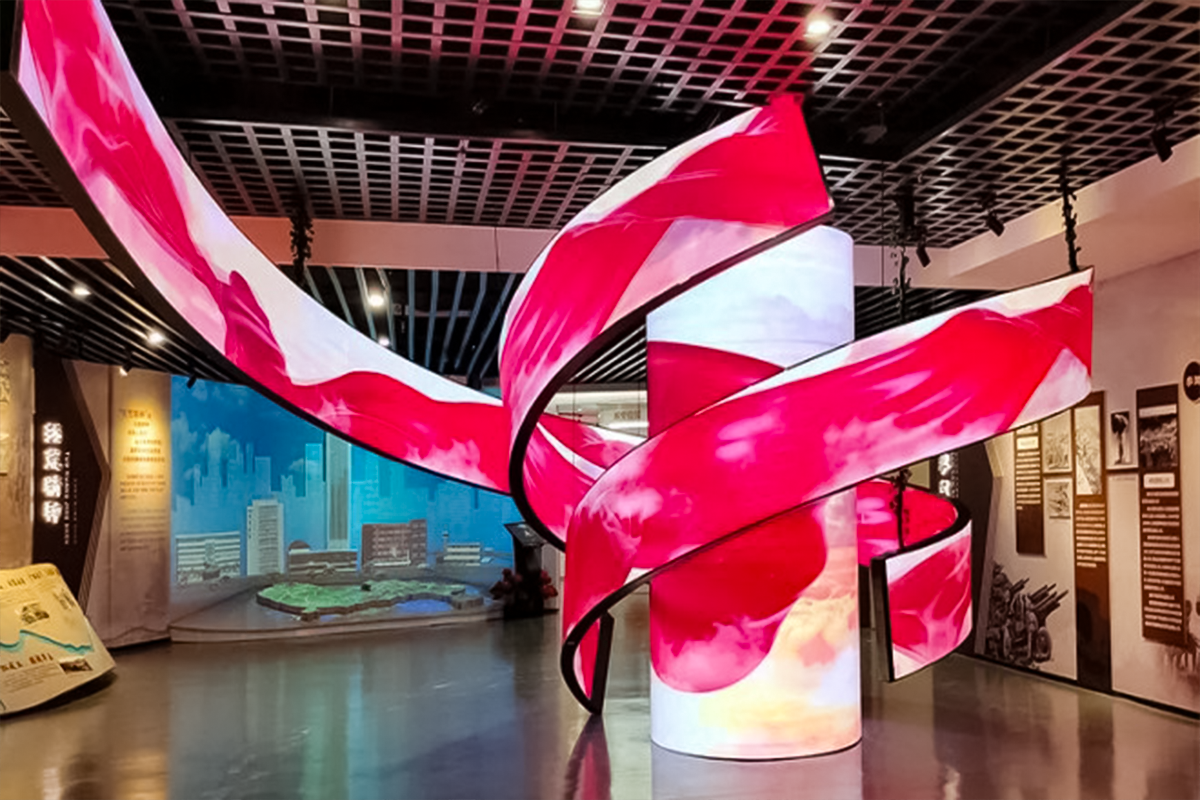
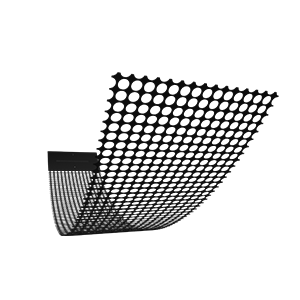
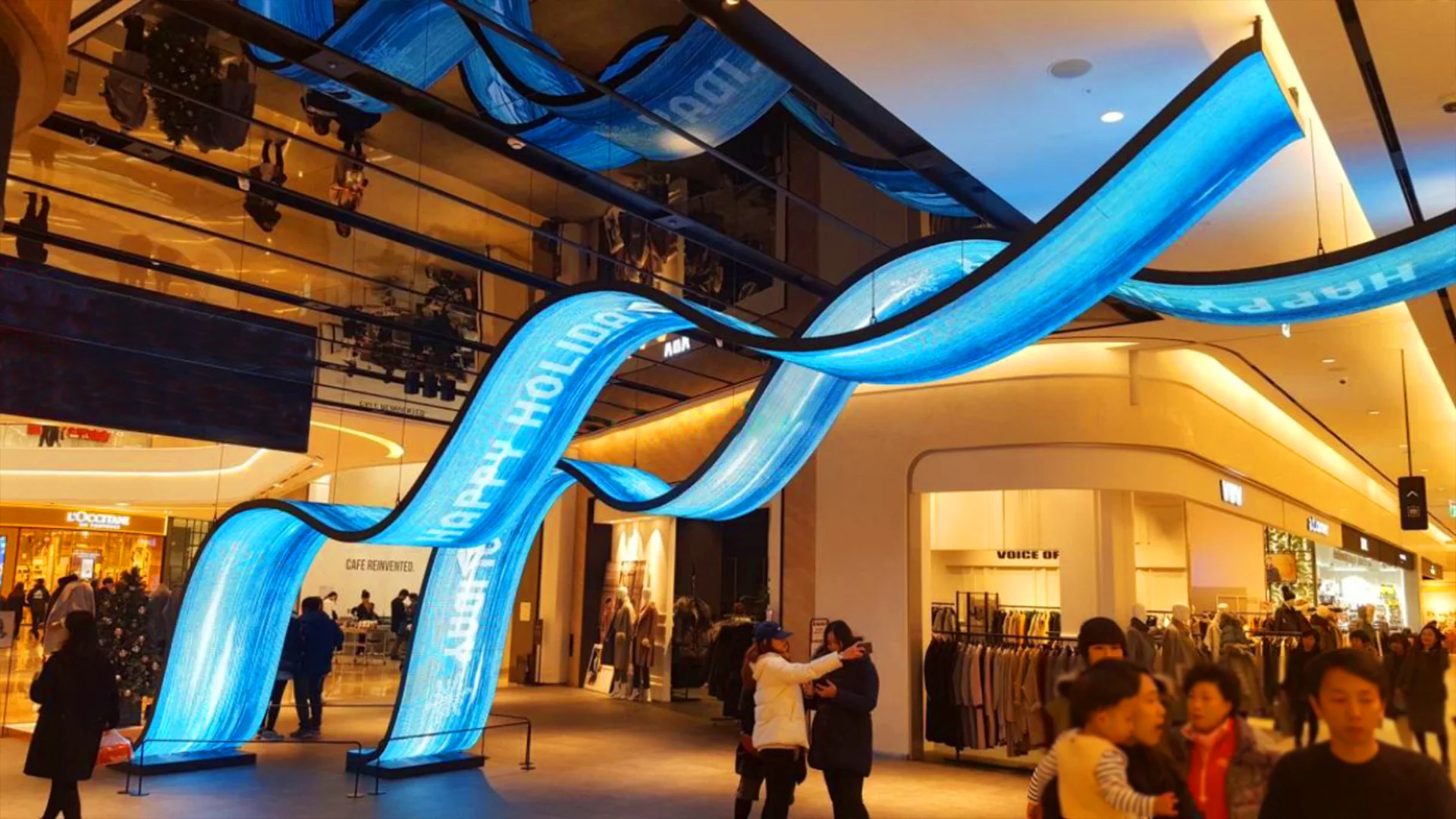
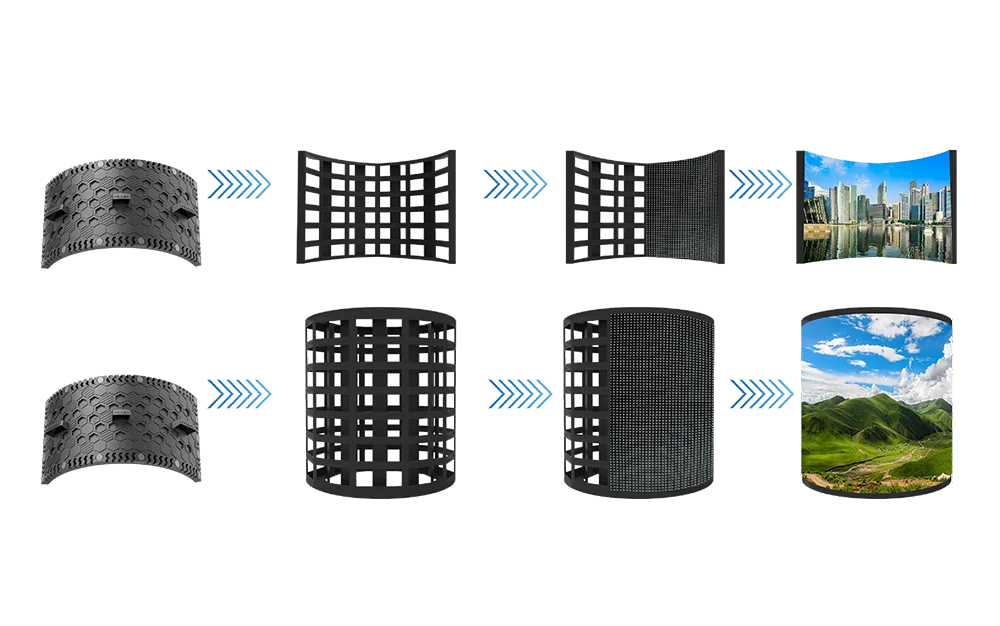
Flexible modules conform to a purpose-built frame, so the frame determines the finished curve and the continuity of the display surface.
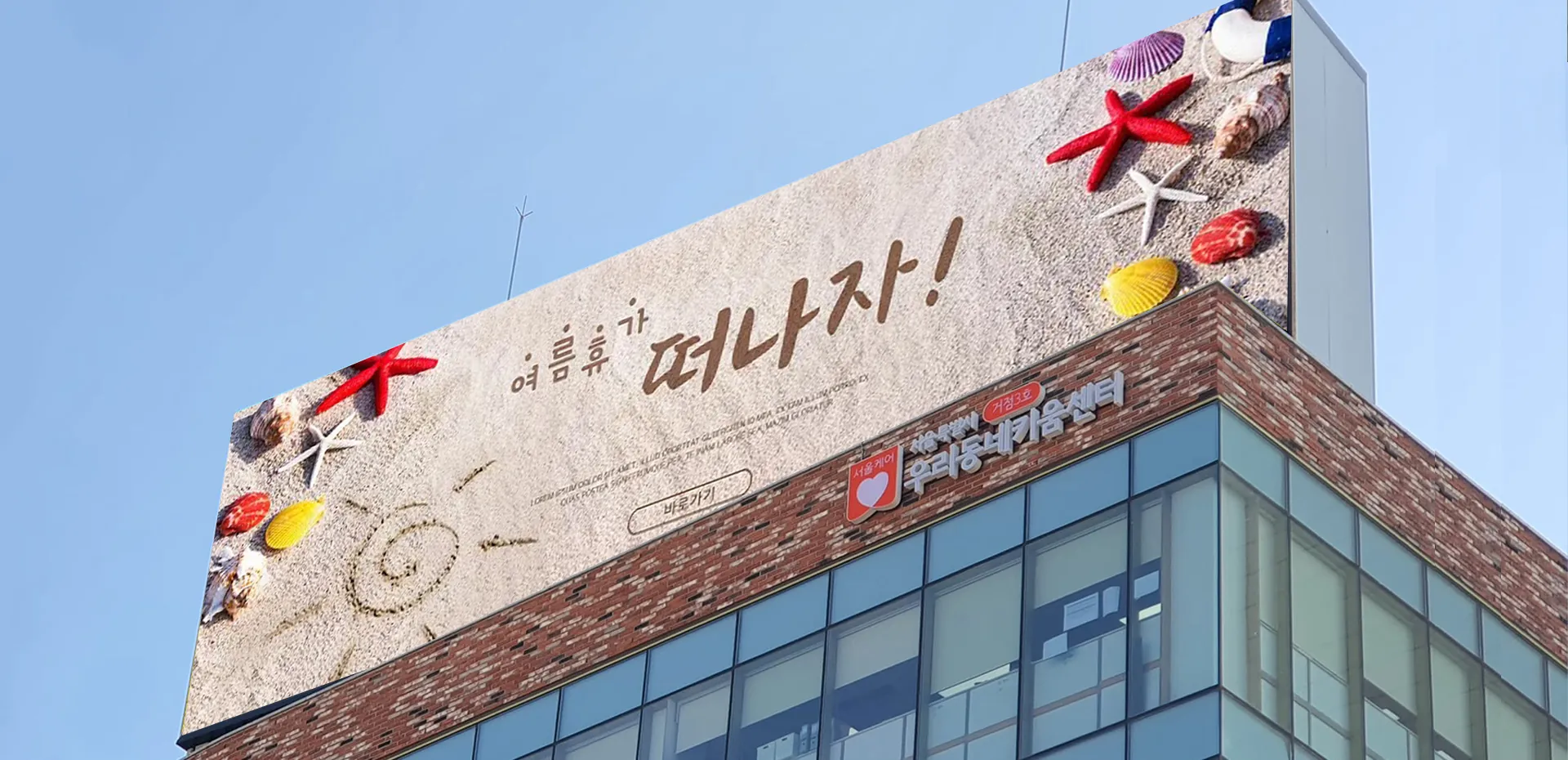
- Best fit: Permanent architectural displays, columns, and continuous curves shaped by a custom frame.
- Planning focus: Confirm the radius, frame accuracy, module layout, pixel pitch, operating environment, and service access.
Curved Rental Cabinets
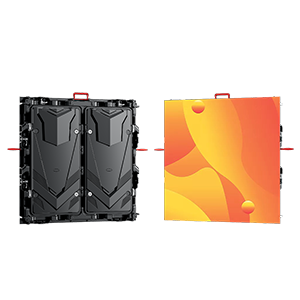
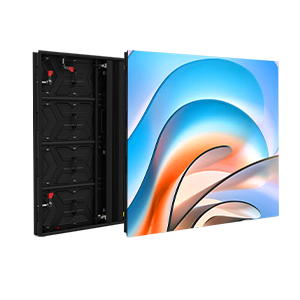
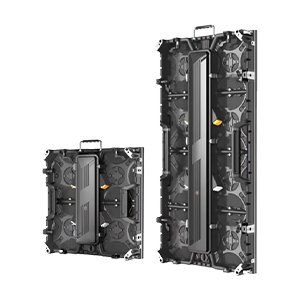
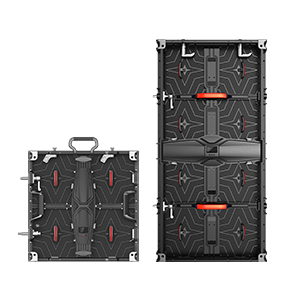
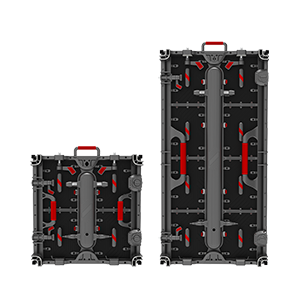
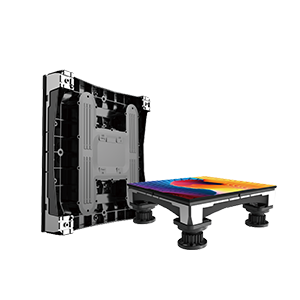
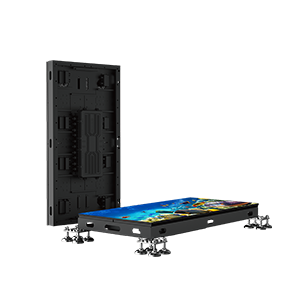
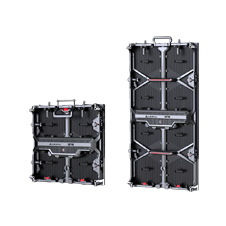
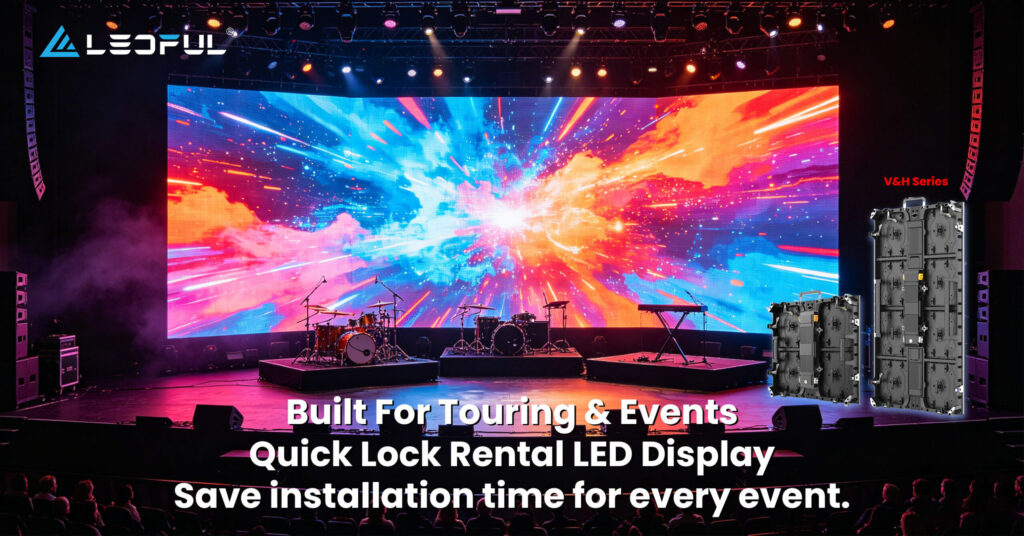
Curved rental cabinets use modular units to create repeatable layouts that can be assembled, transported, and reconfigured for different events.
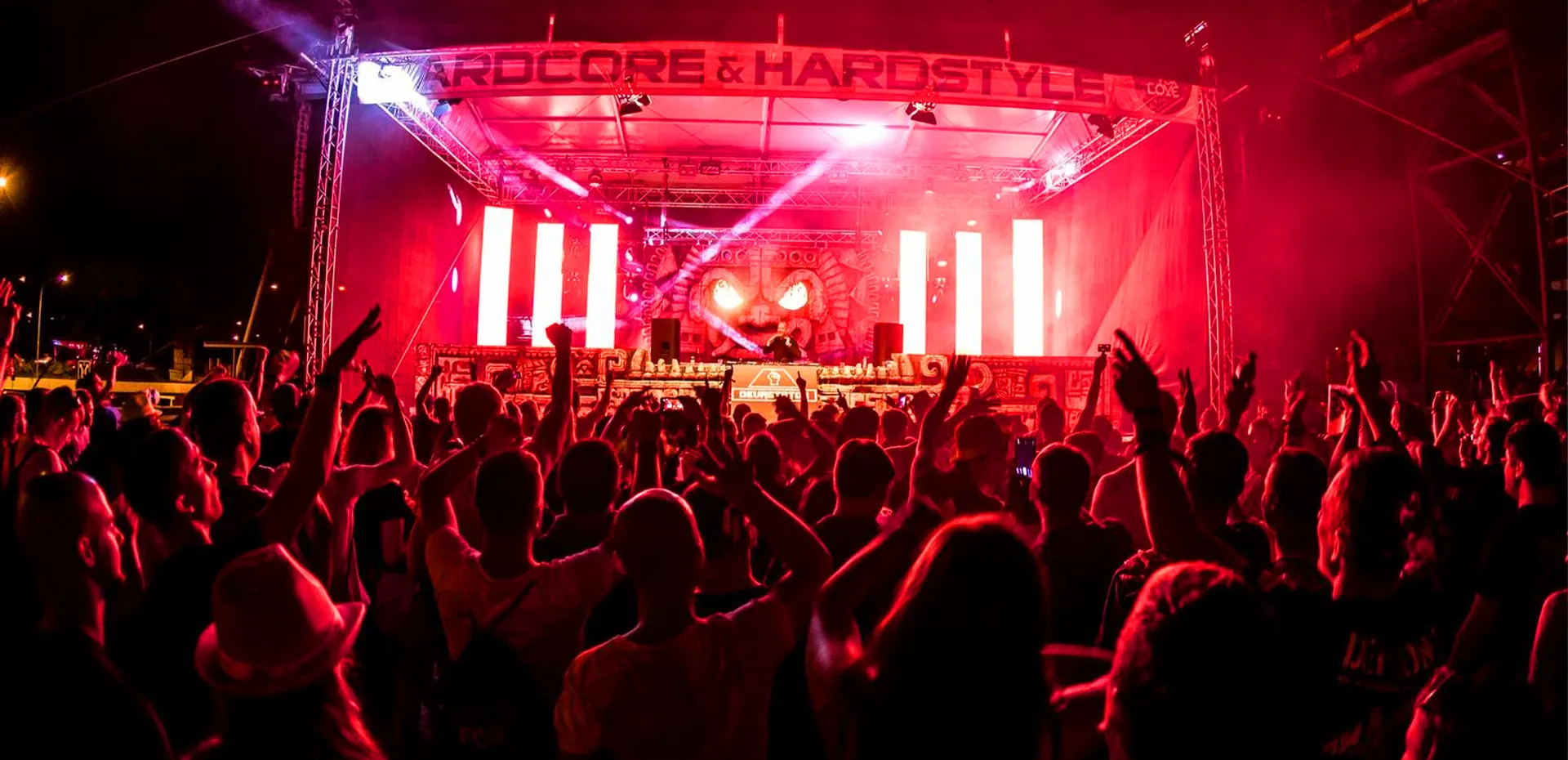
- Best fit: Concerts, conferences, exhibitions, and creative event layouts that require fast setup and changing screen shapes.
- Planning focus: Check cabinet quantity, hanging or floor-support requirements, cable routes, handling procedures, service access, and transitions between curved and flat sections.
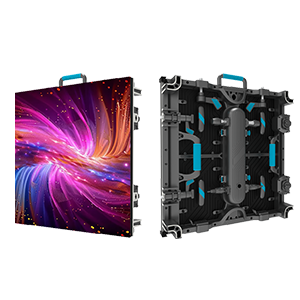
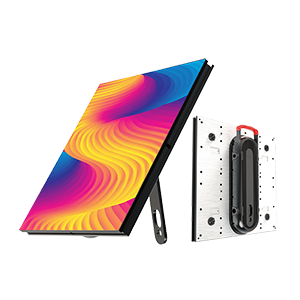
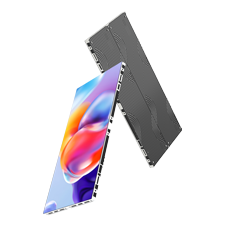
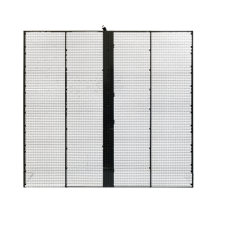
In LEDFUL’s product range, these two approaches are represented by the FLEX Series and by V FLEX, the flexible-and-curved configuration within the V&H Series, as summarized below.
LEDFUL Curved-Display Options at a Glance
| LEDFUL Option | Key Product Details | Best Suited For |
|---|---|---|
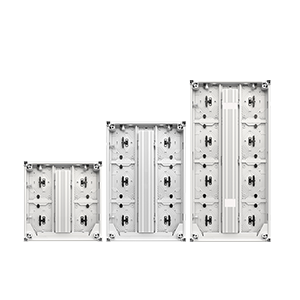
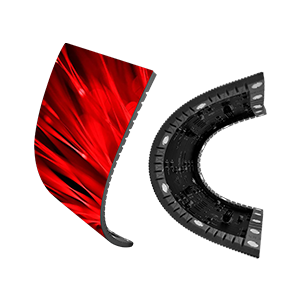
| FLEX | Flexible modules with silicone-rubber soft brackets, magnetic mounting, customized frames, indoor P1.25–P4 options, and outdoor P3/P4 options. | Permanent custom curves, columns, and irregular fixed surfaces. |
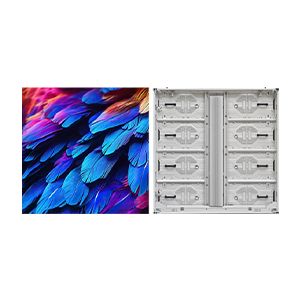
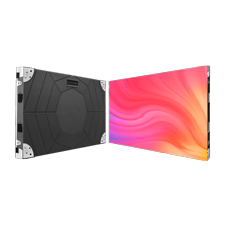
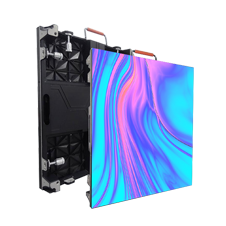
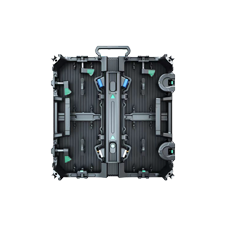
| V FLEX (V&H Series) | 500 × 500 mm cabinets with 250 × 250 mm flexible modules, a bending angle of up to 45° per cabinet, and eight cabinets that can form a complete circle. | Curved rental layouts and hybrid stage designs that combine curved sections with compatible flat or right-angle configurations. |
Choosing the panel system establishes the curve the display can achieve and how it will be assembled and serviced. Geometry, pixel layout, structural support, power, control, and content can then be coordinated in one design and installation plan.
How Should a Curved LED Video Wall Be Designed and Installed?
A practical curved LED video wall design process starts with geometry and ends with content validation.
Step 1: Define the Curve Geometry
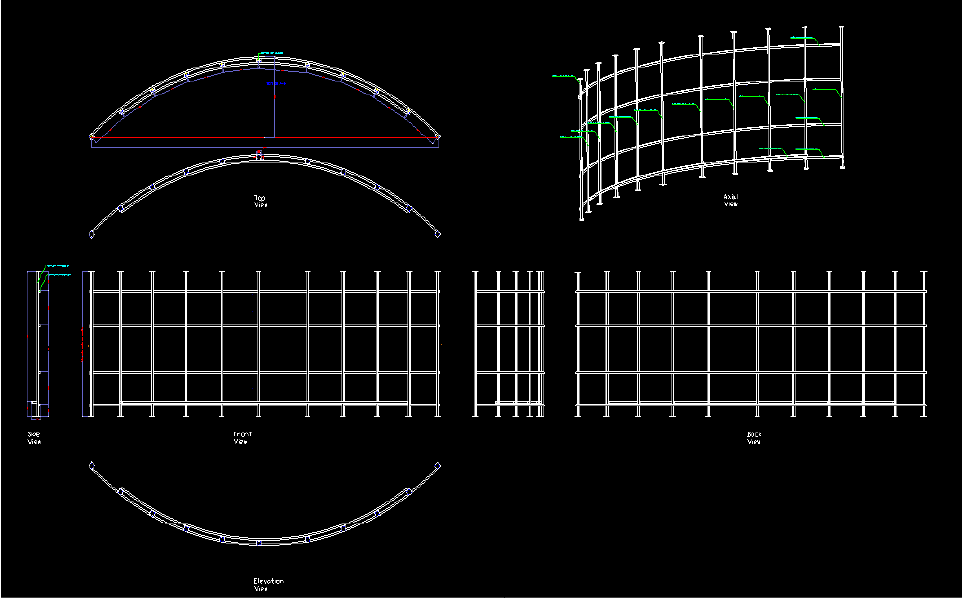
Record radius, arc angle, height, arc length, and curve direction. Provide drawings or CAD files so module quantities, cabinet angles, and framing can be checked before production.
Step 2: Match Pixel Pitch and Resolution
Choose pixel pitch based on viewing distance, screen size, content detail, and budget. Then define the final pixel canvas so key text and graphics are sized and positioned appropriately across the curve.
Step 3: Plan the Structure and Maintenance Access
Confirm wall, hanging, or floor support, and have qualified professionals review loads and anchoring. Reserve ventilation, cable entry, front- or rear-service space, and suitable installation tolerances for accurate cabinet or module alignment.
Step 4: Plan Power, Signal, and Control
Coordinate circuit capacity, power distribution, signal routes, controller positions, inputs, and troubleshooting access. Add redundancy when continuous operation or live production requires it.
Step 5: Test Content on the Final Geometry
Build media to the approved pixel map. Preview key content near curved edges and panel transitions, then check stretching, cropping, seams, synchronization, and camera performance.
Together, these five decisions turn the visual concept into an installation-ready specification and define the scope that must be included in the quotation.
What Affects Curved LED Video Wall Price?
The curved LED video wall price depends on the complete project configuration, not screen area alone. Two projects of similar size can have different costs when their curves, structures, installation scopes, or operating requirements differ.
- Display specification: Panel system, pixel pitch, resolution, indoor or outdoor configuration, brightness, and spare modules.
- Curve engineering: Radius, shape complexity, custom framing, transitions, engineering review, and pre-assembly.
- Installation scope: Mounting hardware, access equipment, labor, alignment, testing, commissioning, and site coordination.
- Control and content: Controllers, processors, inputs, signal distribution, content mapping, synchronization, and backup needs.
- Logistics and support: Packaging, transport, site access, technical support, service access, warranty, and replacement parts.
Cost comparisons are most useful when every supplier prices the same project scope. A complete RFQ turns the design decisions above into quotations that buyers can compare more confidently.
RFQ Checklist for an Accurate Quotation
- Project files: Plan and elevation drawings, CAD files, or clear site photos.
- Screen geometry: Height, arc length, radius, arc angle, and curve direction.
- Operating conditions: Indoor or outdoor location, operating hours, and environmental exposure.
- Viewing and content: Viewing distance, content type, input sources, and required pixel resolution.
- Installation scope: Mounting method, structural interface, service access, and installation responsibilities.
- Delivery requirements: Project country, delivery date, site access, packaging, spare modules, support, and warranty needs.
A complete RFQ helps each supplier price the same scope and gives the technical team an opportunity to identify structural, access, or content issues before production.
How Can LEDFUL Support a Curved LED Video Wall Project?
A successful curved LED video wall project depends on turning the initial concept into a buildable and serviceable solution. At LEDFUL, we review your requirements, help select a suitable display and structural approach, and provide screen and structure CAD drawings, dynamic simulation videos, 3D videos, installation documents, and remote technical guidance. To request a project-specific proposal, contact us and share your drawings, dimensions, site conditions, content needs, and target delivery date.